
Your Toothbrush Isn’t Telling You Everything: Five Hidden Spots You’re Probably Missing
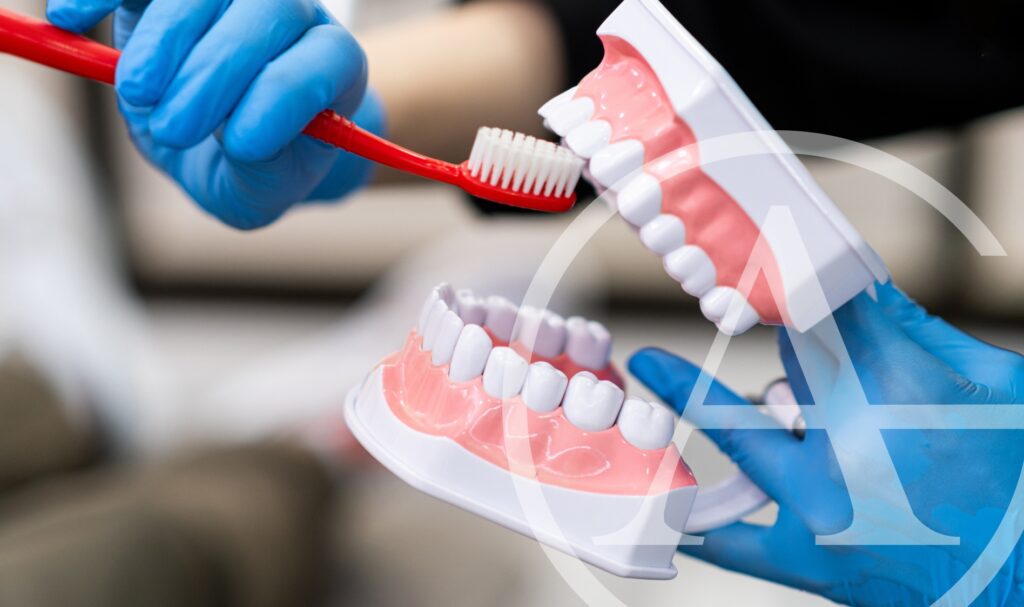
What is your toothbrush missing?
We’ve all heard the golden rule of oral hygiene since we were children: Brush your teeth twice a day for two minutes each time. It is the cornerstone of modern dental care, drilled into us by dentists, hygienists, and well-meaning toothpaste commercials alike.
For the most part, we follow the rule. We pick up our brushes, apply a dollop of toothpaste, and go through the motions every morning and night. But have you ever wondered why, despite your diligent twice-daily routine, your dentist still points out plaque buildup or the occasional early sign of a cavity during your checkup? It can feel genuinely frustrating. You are doing everything right, or so you think.
The uncomfortable truth is that routine brushing alone is often not enough. Brushing twice a day is a fantastic foundation, but it doesn’t automatically mean you are achieving a complete clean.
Standard manual and electric toothbrushes are designed with flat or contoured bristles meant to sweep across the broad, accessible surfaces of your teeth. However, the human mouth is a complex landscape filled with tight crevices, hidden angles, and shadowed corners where microscopic debris, food particles, and bacteria love to set up camp. If your toothbrush could talk, it would admit that it simply cannot reach everywhere on its own.
Understanding where these blind spots are is the first step toward transforming your daily routine from a simple chore into an effective defense system for your smile. Dallas Cosmetic Dental has identified 5 easy-to-miss areas where plaque loves to hide, and tips on what you can do to conquer them.
1. Along the Gumline
One of the most frequent victims of casual brushing is the delicate margin where your teeth meet your gums. Plaque tends to build up right along this gumline, forming a sticky, invisible biofilm of bacteria.
Because we often focus on just brushing the front and top surface of our teeth, we tend to skim right over this junction. When plaque is left undisturbed at the gumline, it irritates the gum tissue, leading to inflammation, redness, and eventually gingivitis, which is the early, reversible stage of gum disease.
Cleaning the gumline effectively requires a shift in technique, using angled brushing to clean effectively. Instead of holding your toothbrush straight on or scrubbing back and forth horizontally, which can actually wear down your enamel and irritate your gums, tilt your toothbrush at a 45-degree angle toward your gumline. Use short, gentle strokes, allowing the bristles of your toothbrush to sweep softly just beneath the edge of the gum tissue where plaque likes to hide.
2. Between Your Teeth
Think about the physical design of a standard toothbrush. The bristles form a wide, flat plane. Now think about the geometry of your mouth. Your teeth are tightly packed cubes and curves with narrow, confined spaces squeezed between them.
Your toothbrush can’t reach those tight spaces. The bristles are simply too thick and rigid to slip into the small spaces between your teeth, and that leaves nearly a third of your tooth surface entirely untouched by your toothbrush.
This is why dental professionals emphasize interdental cleaning. Flossing or using interdental brushes are essential daily tools if you want to prevent cavities from forming in the hidden trenches between your teeth.
Daily flossing disrupts the accumulation of plaque before it hardens into stubborn tartar, keeping your interdental spaces clean, your breath fresh, and your gums tightly sealed against bacterial invasion.
3. The Back of Your Molars
Out of sight truly means out of mind when it comes to the very back of your mouth. Your molars are architectural marvels with deep grooves and pits designed to crush food. Unfortunately, they are also located in hard-to-reach areas where food and bacteria collect.
Access is physically restricted by your cheeks, jaw muscles, and the limited space at the back of your mouth. Also, it is hard to see in the back of your mouth. Unless you are holding a dental mirror and contorting your neck, you cannot see what you are doing back there.
Because of this limited visibility and access, the back molars are frequently missed or given only a quick, superficial swipe before you finish brushing. To combat this, make a conscious effort to start or end your brushing routine in the very back corners of your mouth. Keep your mouth partially closed to relax your cheek muscles, giving your brush the extra clearance it needs to maneuver around your rear-most molars.
4. Behind Your Front Teeth (Especially Bottom Teeth)
If you have ever had a dental hygienist spend an extra long time scraping behind your lower front teeth during a cleaning, you are not alone. Behind your front teeth, especially the bottom arch, is a common spot for tartar buildup.
There are a few anatomical reasons for this. First, your major salivary glands empty their fluid directly into the floor of your mouth near your lower front teeth. Saliva is rich in minerals, which is great for remineralizing teeth, but it also causes any residual, unremoved plaque in that area to mineralize and harden into rock-solid tartar very quickly.
Because this area sits at a tight curve behind the tongue, it is awkward to position a standard toothbrush horizontally. Cleaning the area properly needs careful brushing with the tip of your toothbrush. To do this, tilt your brush vertically, placing the tip of the brush head against the back of your front teeth, and sweep upward and away from the gums.
5. Your Tongue and Cheek Surfaces
Many people make the mistake of thinking that oral hygiene begins and ends with the teeth themselves. However, bacteria doesn’t just live on teeth. Your entire oral cavity is a thriving ecosystem. The soft, textured surfaces of your inner cheeks and, most notably, the sprawling surface of your tongue, are microscopic breeding grounds for millions of bacteria, dead cells, and food debris.
If you brush your teeth to perfection, but neglect the rest of your mouth, the leftover bacteria will rapidly migrate right back to your freshly cleaned teeth. Cleaning your tongue helps reduce bad breath and bacteria levels dramatically. You can use a dedicated tongue scraper or simply use the soft bristles of your toothbrush to gently brush your tongue from back to front, rinsing thoroughly afterward.
Take the time for your oral health.
Achieving optimal oral health requires looking beyond the basics. Brushing is just the start. Targeting these hidden spots can make a big difference in your oral health. By acknowledging that your toothbrush has blind spots and taking deliberate steps to address the gumline, interdental spaces, back molars, behind the front teeth, and your tongue and cheeks, you protect your smile from unseen threats.
A few small changes to your routine can lead to a much cleaner, healthier smile. Make these adjustments today, and your next dental checkup at Dallas Cosmetic Dental will be your best one yet.
