When Your Bite Isn’t Right: 6 Ways Restorative Dentistry Can Help Relieve TMJ Pain
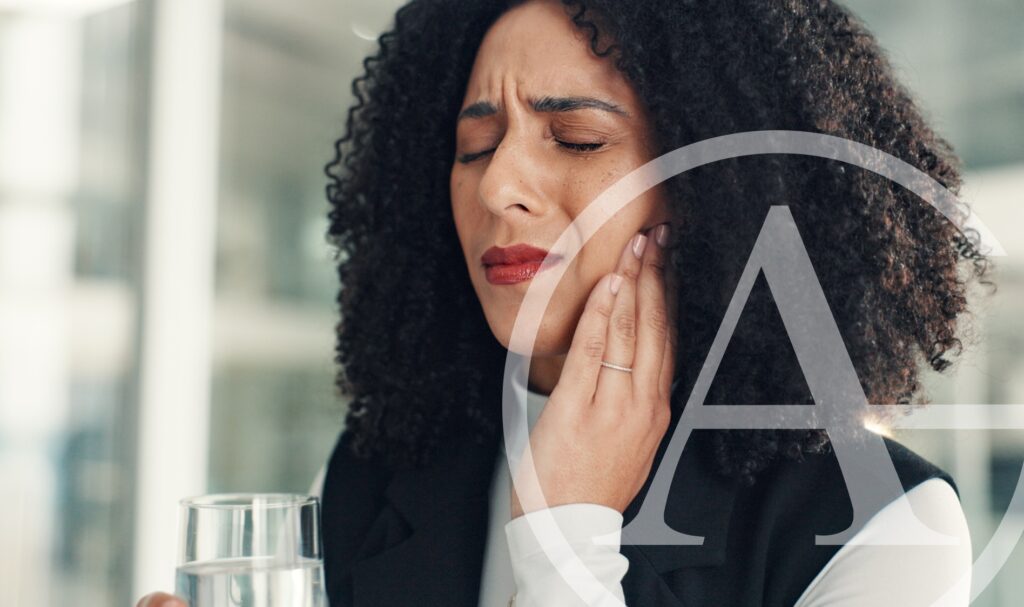
Jaw pain is easy to dismiss at first. A little clicking here, a mild headache there. But for many adults and children alike, those subtle symptoms are signs of a deeper issue: TMJ pain. Disorders of the temporomandibular joint (TMJ)—the hinge that connects your jaw to your skull—can cause chronic discomfort in the jaw, head, neck, and even shoulders. While stress and muscle tension are often blamed, the root cause is frequently structural. Your bite may not be working the way it should.
For some people, living with TMJ pain becomes so normalized that they don’t even realize that the pain they are feeling isn’t unusual. For highly active families juggling careers, school schedules, and extracurriculars, chronic TMJ pain can quietly erode quality of life. The good news? Restorative dentistry often provides a long-term solution by addressing the underlying bite imbalance rather than just managing symptoms.
Understanding the Link Between Bite and TMJ Pain
Your bite determines how forces are distributed every time you chew, speak, or clench your teeth. Ideally, those forces are balanced evenly across your teeth and jaw joints. But when teeth are missing, worn down, cracked, or misaligned, pressure is no longer distributed evenly.
A misaligned bite can force the jaw to shift out of its natural position. Over time, this places an excessive strain on the TMJ, leading to inflammation, joint stress, and muscle tension. The result is persistent TMJ pain that may worsen under stress, during sleep, or while eating.
This is why treating TMJ disorders often requires looking beyond the jaw joint itself and evaluating the entire bite system.
Signs Your Bite May Be Causing TMJ Problems
TMJ pain doesn’t always start with obvious jaw discomfort. Many patients—both adults and school-age children—experience indirect symptoms that can be easy to overlook. Common signs include:
- Frequent jaw clicking or popping, especially when opening or closing the mouth
- Headaches, particularly around the temples or behind the eyes
- Uneven wear on teeth or a bite that simply feels off
- Difficulty chewing, jaw fatigue, or episodes of jaw locking
If these symptoms persist, they may indicate that your bite is placing abnormal stress on the TMJ.
6 Ways Restorative Dentistry Can Help Relieve TMJ Pain
Restorative dentistry focuses on rebuilding and rebalancing the bite, so your jaw can function naturally and comfortably. Here are six ways it can help reduce or eliminate TMJ pain:
- Restoring proper tooth height: Worn-down teeth can shorten the bite, forcing the jaw joint to compress unnaturally. Dental crowns can restore lost height, relieving joint pressure.
- Correcting uneven tooth contact: When certain teeth hit harder than others, the jaw shifts to compensate. Precision restorations rebalance contact points, so the jaw stays in alignment.
- Replacing missing teeth with bridges: Gaps in the smile allow surrounding teeth to drift, altering the bite. Bridges help maintain spacing and restore proper bite mechanics.
- Stabilizing the bite with dental implants: Dental implants replace missing tooth roots, preventing bone loss and providing unmatched stability for long-term TMJ relief.
- Reducing muscle overcompensation: An imbalanced bite forces jaw muscles to work overtime. Once the bite is corrected, muscle tension often decreases naturally.
- Full mouth reconstruction for complex cases: In advanced situations, a comprehensive approach may be required. Full mouth reconstruction carefully rebuilds the bite to fully rebalance jaw function and alleviate chronic TMJ pain.
A Customized Approach to TMJ Relief
There is no one-size-fits-all solution for TMJ pain. At Dallas Cosmetic Dental, Dr. Alhadef takes a highly personalized approach, using advanced diagnostics to evaluate bite alignment, jaw movement, and overall oral structure before recommending any restorative treatment.
This thorough evaluation ensures that restorative dentistry addresses not just symptoms, but the true cause of TMJ pain—leading to more predictable, long-lasting relief. For families seeking solutions that fit busy, high-performance lifestyles, this level of precision is essential.
TMJ Pain Doesn’t Have to Be Permanent
Living with chronic jaw pain can affect everything from sleep quality to focus at work or school. If your bite is contributing to the problem, restorative dentistry may be the missing piece that brings lasting relief.
By restoring balance to your bite, you’re not just improving your smile—you’re protecting your jaw joints, reducing inflammation, and reclaiming comfort in everyday life. TMJ pain doesn’t have to be permanent. With the right diagnosis and a customized restorative approach, your jaw—and your life—can get back into balance.
At Dallas Cosmetic Dental, our restorative dentistry treatments are tailored to improve bite balance and jaw function. Schedule your consultation to experience lasting comfort and protect your oral health.